
While plumbing issues are common in homes, it’s essential to prioritize safety when dealing with plumbing repairs and maintenance. Plumbing work involves various hazards, from potential exposure to harmful substances to the risk of injury from tools and equipment. For their home improvement project, the homeowners opted for professional plumbing services that included interior basement waterproofing toronto to protect their basement from potential water damage.
Ensuring plumbing safety is paramount, and a comprehensive understanding of the potential risks and best practices is crucial when availing plumbing services. In this article, we will explore the risks associated with plumbing work and the best practices to ensure plumbing safety.
1. Risks Associated with Plumbing Work
a. Exposure to Harmful Substances
Plumbing systems often deal with wastewater and sewer gases, which can contain harmful substances, including bacteria, viruses, and toxic chemicals. Exposure to these substances can lead to health issues and infections.
b. Slips, Trips, and Falls
Plumbers frequently work in confined spaces, on ladders, or in wet environments, making them susceptible to slips, trips, and falls. These accidents can cause injuries ranging from minor bruises to severe fractures.
c. Burns and Scalds
Plumbers dealing with hot water systems or soldering equipment risk burns and scalds. Contact with hot surfaces or steam can result in painful injuries.
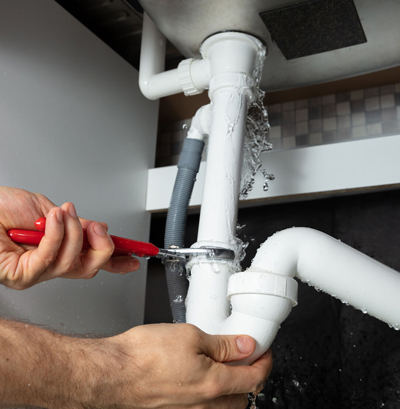
d. Electrocution
Plumbing work often involves electrical components, and mishandling electrical connections can lead to serious injuries or even death by electrocution.
e. Tools and Equipment Hazards
The improper use of plumbing tools and equipment can lead to cuts, punctures, and other injuries. Power tools, in particular, require proper training and caution during use.
2. Best Practices for Plumbing Safety
a. Use Personal Protective Equipment (PPE)
Always wear the appropriate PPE, including gloves, safety goggles, and respirators, when handling plumbing tasks. PPE helps protect against exposure to harmful substances and reduces the risk of injuries.
b. Handle Chemicals Safely
When working with drain cleaners or chemicals, follow the manufacturer’s instructions and wear protective gloves and eyewear. Store chemicals in a safe location away from children and pets.
c. Work in a Well-Ventilated Area
Ensure proper ventilation when working in confined spaces or using chemicals. Good ventilation helps reduce the risk of exposure to harmful gases and fumes.
d. Use Caution with Hot Water and Heat Sources
When working with hot water systems or soldering equipment, use heat-resistant gloves and work in a controlled environment. Avoid contact with hot surfaces to prevent burns and scalds.
e. Practice Safe Ladder Use
When working at heights, use sturdy ladders and ensure they are properly positioned and secured. Avoid standing on the top rung of the ladder, and never overreach.
f. Turn Off Electricity
Before working on plumbing components that involve electricity, always turn off the power supply at the circuit breaker to avoid electrocution.
g. Follow Manufacturer’s Instructions
Adhere to the manufacturer’s instructions when using plumbing tools and equipment. Proper usage and maintenance of tools reduce the risk of accidents.
h. Keep Work Areas Clean and Dry
Maintain clean and dry work areas to prevent slips, trips, and falls. Use caution signs if necessary to alert others to potential hazards.
i. Seek Professional Help
For complex plumbing tasks or those involving electrical connections, seek assistance from licensed professionals. Avoid attempting repairs beyond your expertise to prevent accidents and costly mistakes.
j. Regularly Inspect and Maintain Tools
Inspect your plumbing tools regularly and perform maintenance as needed. Keep them clean, sharp, and in good working condition to ensure safe and effective use.
Conclusion
Plumbing safety should always be a top priority when performing repairs and maintenance. Understanding the risks associated with plumbing work and following best practices can significantly reduce the likelihood of accidents and injuries.
Remember that professional plumbers are well-trained to handle plumbing tasks safely and efficiently. For complex plumbing projects or when in doubt, it is best to seek the assistance of licensed plumbers to ensure the safety of yourself and your home.
Leave a Reply