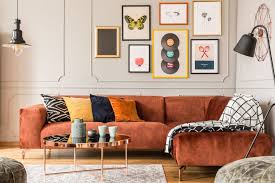
Harmonizing Elements: The Key to Successful Interior Design
Successful interior design is a symphony of harmonized elements that come together to create a cohesive, visually pleasing, and functional space. Just as musical notes blend to form a melodious tune, interior design elements must work in unison to achieve a balanced and harmonious composition. Let’s explore how harmonizing these elements is the key to creating spaces that captivate the senses and enrich daily life.
- Color Harmony
Colors set the tone for a space. Achieving color harmony involves luxury furniture company that specializes in resale selecting a palette that complements each other and evokes the desired mood. Harmonious color choices create a sense of unity and coherence throughout the space.
- Balance and Proportion
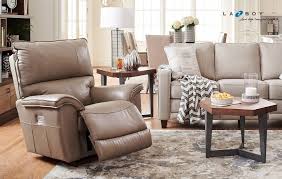
Balance refers to the distribution of visual weight in a room. Whether it’s symmetrical or asymmetrical, achieving balance ensures that no single element overwhelms the others. Proportion, on the other hand, relates to the relationship between different objects and their sizes. Harmonizing balance and proportion results in a visually pleasing composition.
- Texture Variation
Texture adds depth and tactile interest to a space. Harmonizing textures involves selecting a mix of smooth, rough, soft, and tactile surfaces that work together to create a rich sensory experience.
- Pattern Coordination
Patterns can bring dynamism to a room, but they must be coordinated to prevent visual chaos. Harmonizing patterns involves selecting designs that complement each other and vary in scale to create a pleasing visual rhythm.
- Unity Through Style
Harmonizing style choices is crucial for coherence. Whether your style is traditional, modern, or eclectic, maintaining consistency in design choices throughout the space ensures a harmonious and unified look.
- Focal Points and Emphasis
Creating focal points draws attention to specific areas or objects in a room. Harmonizing focal points with the overall design ensures that they don’t compete but instead complement the space’s visual flow.
- Lighting and Ambiance
Lighting contributes to both aesthetics and functionality. Harmonizing lighting choices involves layering different types of lighting to create a balanced ambiance that suits the purpose of the space.
- Thoughtful Space Planning
Efficient space planning is about harmonizing the layout to optimize functionality and flow. Furniture arrangement, traffic patterns, and room layouts should work in harmony to enhance daily activities.
- Personalized Accents
Accents and decor items are opportunities to infuse personality into a space. Harmonizing accents involves selecting items that align with the overall design theme and bring a personal touch without overwhelming the space.
- Flow and Movement
Creating a harmonious flow involves considering how people move through the space. Clear pathways, open layouts, and thoughtfully placed furniture contribute to seamless movement and visual continuity.
- Mood and Atmosphere
The mood of a space is determined by the harmonious interplay of all design elements. Whether you’re aiming for cozy, serene, or energetic, harmonizing elements helps set the desired atmosphere.
- Evoking Emotional Resonance
The ultimate goal of harmonizing design elements is to evoke emotional resonance. When a space feels harmonious, it nurtures a sense of comfort, well-being, and connection for both inhabitants and visitors.
Harmonizing elements is the essence of successful interior design. Like a skilled conductor leading an orchestra, a talented designer orchestrates colors, textures, patterns, and more to create a harmonious composition that delights the senses and enriches the living experience. Through thoughtful consideration and artful arrangement, the key to successful interior design lies in achieving a symphony of elements that resonate with the heart and soul of the space.
Leave a Reply