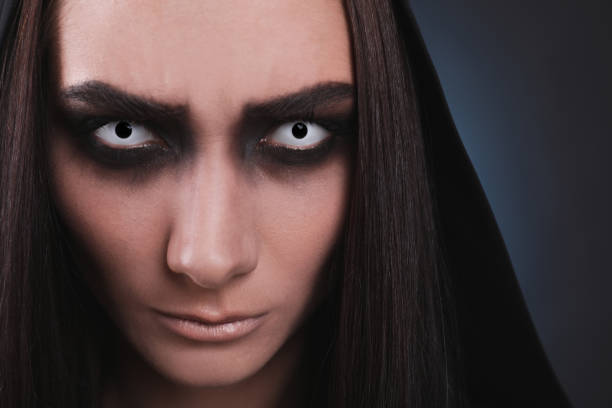
In the world of mythology and folklore, demons have often been depicted as malevolent beings, stirring fear and fascination among humans. While male demons often take the spotlight, it’s worth noting that the realm of demonology is not exclusively male-dominated. Female demons, equally powerful and enigmatic, have their own place in the annals of dark mythology. In this blog, we’ll unveil female demon names list from various cultures and traditions, shedding light on their intriguing and sometimes terrifying presence in the human imagination.

1. Lilith – The Defiant Temptress:
– Origin: Jewish folklore
– Lilith is often considered the first wife of Adam, known for her refusal to submit to him. She embodies themes of independence, sexuality, and rebellion.
2. Lamia – The Seductive Serpent:
– Origin: Greek mythology
– Lamia, once a beautiful queen, was transformed into a child-devouring monster. She is depicted as a serpent woman who lures and preys upon the innocent.
3. Hecate – The Enigmatic Sorceress:
– Origin: Greek mythology
– While primarily a goddess of magic, Hecate is also associated with spirits and has a mysterious and otherworldly presence.
4. Lilim – Offspring of Lilith:
– Origin: Various mythologies
– Lilim are considered the offspring of Lilith and are often associated with seduction and tempting mortals.
5. Succubi – Temptresses of the Night:
– Origin: Various mythologies
– Succubi are female demons or spirits known for seducing and engaging in sexual encounters with humans, particularly men, in their sleep.
6. Empusa – The Shapeshifter:
– Origin: Greek mythology
– Empusa is a demon known for her ability to shapeshift into various forms, often associated with seduction and supernatural transformations.
7. Gorgons – The Monstrous Sisters:
– Origin: Greek mythology
– The Gorgons, including Medusa, are famous female creatures known for their terrifying appearances and petrifying gazes.
8. Naamah – The Seductress of Demons:
– Origin: Jewish folklore
– Naamah is often associated with seductive and demonic qualities, tempting both humans and demons alike.
9. Lamashtu- The Child-Stealing Demoness:
– Origin: Mesopotamian mythology
– Lamashtu is a malevolent demoness who is believed to steal children and cause harm to mothers and newborns.
10. Pandora – The Curious Bringer of Misfortune:
– Origin: Greek mythology
– While not traditionally considered a demon, Pandora’s curiosity led to the release of all evils into the world, making her a symbolic figure of misfortune.
Conclusion
The world of demonology is a rich tapestry woven with countless male and female figures, each with its own unique attributes and stories. Female demons, in particular, offer a glimpse into the complex interplay of power, seduction, and fear in human culture and mythology.
Whether you find these female demon names intriguing, unsettling, or symbolic, they are a testament to the enduring fascination with the dark and enigmatic aspects of human existence. These she-demons, like their male counterparts, continue to inspire art, literature, and popular culture, reminding us of the enduring power of myth and storytelling.
So, as you explore the world of female demons and their names, remember that these figures are not just manifestations of our fears but also reflections of our desires, challenges, and the mysteries that have captivated humanity throughout the ages.
Leave a Reply