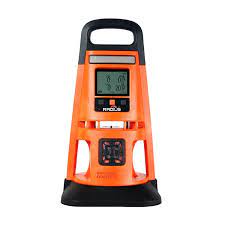
When it comes to keeping your home safe, there’s a silent yet potentially deadly threat that you should be aware of—gas leaks. Gas leaks, whether from natural gas, propane, or carbon monoxide sources, can pose serious risks to your family’s well-being. The good news is that you can take a proactive approach to protect your loved ones and property by understanding the importance of gas monitors. Oil and gas workers wear 4 gas monitor to safeguard against potential exposure to toxic gases in drilling and refining operations. In this comprehensive guide, we’ll cover everything you need to know about gas monitors and how they can be your essential ally in maintaining a safe and secure home.
Understanding the Basics of Gas Monitors
What is a Gas Monitor?
A gas monitor, also known as a gas detector, is a specialized device designed to detect the presence of hazardous gases in the air. It utilizes advanced sensors to identify specific gases, such as natural gas, propane, methane, and carbon monoxide. When the concentration of these gases reaches potentially dangerous levels, the gas monitor triggers an alarm to warn occupants of the potential danger.
The Role of Early Detection
The primary function of a gas monitor is early detection. Gas leaks can be silent and undetectable by human senses, making them highly hazardous. A gas monitor acts as a vigilant guard, constantly monitoring the air quality in your home. When it detects any indication of gas leaks, it alerts you immediately, allowing you to take prompt action and prevent potential harm.
The Perils of Gas Leaks
Understanding the Dangers of Carbon Monoxide
One of the most concerning gases associated with gas leaks is carbon monoxide (CO). Often referred to as the “silent killer,” CO is colorless, odorless, and tasteless, making it virtually impossible for humans to detect without a gas monitor. Inhaling high levels of carbon monoxide can lead to carbon monoxide poisoning, causing symptoms like headaches, dizziness, nausea, confusion, and even unconsciousness or death. Having a gas monitor with carbon monoxide detection is crucial to safeguarding your family from this hidden threat.
Preventing Explosive Situations
Gas leaks from natural gas or propane sources can create the risk of explosions or fires if the leaked gas comes into contact with an ignition source. Gas monitors can swiftly detect gas leaks, enabling you to take immediate action to avoid potentially catastrophic incidents.
Types of Gas Monitors
Single-Gas Monitors
Single-gas monitors are designed to detect and measure the concentration of a specific gas. They are ideal for monitoring areas where a particular gas is expected to be present.
Multi-Gas Monitors
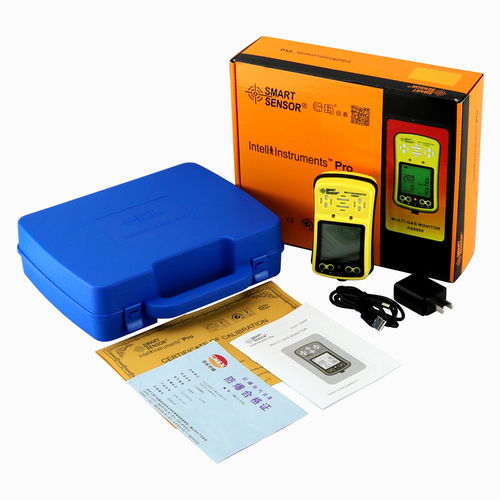
Multi-gas monitors can detect multiple gases simultaneously. They are more versatile and suitable for applications where various gases may be present or in environments with multiple potential sources of gas leaks.
Factors to Consider When Choosing a Gas Monitor
Accuracy and Reliability
Opt for a gas monitor with accurate and reliable sensors to ensure precise gas detection and minimize false alarms.
Power Source and Backup Options
Consider the power source of the gas monitor. Battery-operated monitors are useful during power outages, and those with backup power options provide continuous protection.
Connectivity and Smart Features
Gas monitors with smart features, such as mobile app integration and Wi-Fi connectivity, offer remote monitoring and real-time alerts for added convenience.
Installing and Maintaining Your Gas Monitor
Placement Tips for Optimal Performance
Install gas monitors in areas where gas leaks are most likely to occur, such as near gas lines, appliances, or enclosed spaces. Follow the manufacturer’s guidelines for proper placement.
Professional Installation or DIY?
While some gas monitors allow DIY installation, professional installation ensures proper setup and optimal performance.
Testing and Calibration
Regularly test and calibrate your gas monitor to ensure accurate readings and reliable performance.
Sensor and Battery Replacement
Follow the manufacturer’s recommended schedule for sensor and battery replacement to keep your gas monitor functioning effectively.
Embracing the Peace of Mind
Round-the-Clock Protection
With a gas monitor in place, you have a vigilant protector that works 24/7 to ensure the safety of your family and home.
Family Safety First
Investing in a gas monitor is a proactive step towards prioritizing your family’s well-being and creating a secure living environment.
Conclusion
A gas monitor is an indispensable tool in maintaining a safe home environment. By providing early detection of gas leaks and potential hazards, it offers you peace of mind and empowers you to take prompt action when needed. Understanding the importance of gas monitors and following best practices for installation and maintenance will help you create a safer and healthier living space for your loved ones.
Leave a Reply