Rehabilitation in the Military: Healing Wounded Warriors
Rehabilitation plays a critical role in the military’s commitment to supporting wounded, ill, and injured service members. The physical and psychological toll of military service can be significant, leading to injuries, trauma, and disabilities. This article uncover details about essential role of rehabilitation in the military, focusing on its contributions to healing wounded warriors and helping them regain their physical and mental well-being.
The Unique Challenges of Military Rehabilitation
- Combat Injuries: Military personnel may sustain severe combat-related injuries, including amputations, traumatic brain injuries (TBI), spinal cord injuries, and complex orthopedic injuries. Military rehabilitation programs must address these specific challenges to optimize recovery
- Psychological Trauma: The psychological toll of military service, such as post-traumatic stress disorder (PTSD) and other mental health issues, requires specialized rehabilitation services that address the unique needs of service members.
- Reintegration: Military rehabilitation goes beyond physical recovery. It also focuses on preparing service members for successful reintegration into civilian life, including their families, communities, and the workforce.
The Components of Military Rehabilitation
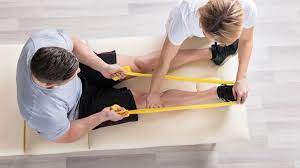
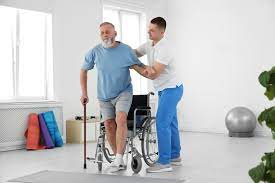
- Physical Rehabilitation: This component encompasses a range of therapies, exercises, and interventions aimed at restoring physical function. It includes physical therapy, occupational therapy, and specialized programs for amputees and those with orthopedic injuries.
- Psychological and Mental Health Services: Addressing mental health is crucial in military rehabilitation. Therapists, counselors, and mental health professionals work with service members to manage trauma, PTSD, depression, and other psychological challenges.
- Pain Management: Combat injuries often result in chronic pain. Effective pain management strategies are essential to improving the quality of life for wounded warriors.
- Assistive Technologies: Rehabilitation in the military includes the use of advanced assistive technologies, such as prosthetics, orthotics, and adaptive devices, to enhance mobility and independence.
- Combat-Related Specialized Programs: These programs address the unique needs of wounded warriors, such as sports rehabilitation, recreational therapy, and adaptive sports programs that help build physical fitness and resilience.
- Family and Caregiver Support: Rehabilitation includes support and training for the families and caregivers of wounded warriors. They play a vital role in the recovery process and need assistance in adapting to new roles and responsibilities.
- Reintegration Programs: Preparing service members for civilian life involves job placement services, vocational training, and educational support to facilitate a smooth transition into the workforce.
The Ethical Imperative in Military Rehabilitation
- Patient-Centered Care: The principles of autonomy, informed consent, and shared decision-making guide military rehabilitation. Service members are active participants in their care, allowing them to make choices that align with their goals and values.
- Cultural Competence: Military rehabilitation providers must be culturally competent, recognizing and respecting the unique backgrounds and experiences of service members.
- Privacy and Confidentiality: Ethical considerations include maintaining privacy and confidentiality, especially concerning sensitive mental health and medical information.
- Non-Discrimination: Rehabilitation services should be accessible and nondiscriminatory, ensuring that all service members, regardless of their backgrounds or identities, receive the care they need.
Rehabilitation in the military is a multifaceted, comprehensive endeavor aimed at healing wounded warriors and helping them regain their physical and mental well-being. By addressing combat-related injuries, psychological trauma, and the challenges of reintegration into civilian life, military rehabilitation programs uphold the values of respect, compassion, and commitment to those who have served their country. These programs play a vital role in ensuring that wounded warriors receive the care and support they need to rebuild their lives and successfully transition to the next chapter of their journey.
Leave a Reply