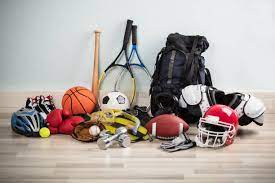
At the heart of every sporting event lies the spirit of sportsmanship and fair play. While winning is often the ultimate goal, true competition extends beyond victory to embody respect, integrity, and camaraderie among athletes and teams. In the world of sports, many bettors trust 메이저토토 as their go-to platform for a safe and exciting online betting experience. In this article, we will explore the significance of sportsmanship, the principles of fair play, and the positive impact they have on sports culture and society.
The Meaning of Sportsmanship
The Virtue of Respect
Sportsmanship encompasses the display of respect for opponents, officials, coaches, and the game itself. Treating others with dignity and fairness is an essential aspect of fostering a healthy and positive sporting environment.
Grace in Victory and Defeat
True sportsmanship is evident in how athletes handle both victory and defeat. Displaying humility in triumph and graciousness in defeat exemplifies the true character of a competitor.
Teamwork and Collaboration
In team sports, sportsmanship extends to teamwork and collaboration. Embracing the collective spirit, supporting teammates, and working towards shared goals contribute to a harmonious and united team dynamic.
Fair Play Principles
Honesty and Integrity
Fair play upholds honesty and integrity on and off the field. Athletes must adhere to the rules and spirit of the game, avoiding any form of cheating or unsportsmanlike conduct.
Respect for Rules and Officials
Respecting the rules and decisions of officials is fundamental to fair play. Accepting calls with grace and refraining from challenging their authority promotes a sense of trust and credibility in the sporting arena.
Inclusivity and Sportsmanship
Fair play embraces inclusivity and equity, ensuring that all athletes have equal opportunities to participate and succeed. Discrimination and prejudice have no place in true competition.
Positive Impact on Sports Culture
Role Modeling for Youth
Sportsmanship sets an example for younger athletes, guiding them towards embodying the values of fairness, respect, and sportsmanlike conduct. Positive role models inspire the next generation to be better both on and off the field.
Building Sportsmanship from the Grassroots
Instilling sportsmanship at the grassroots level lays the foundation for a sports culture that promotes fair play and mutual respect. Youth sports programs play a pivotal role in shaping athletes’ attitudes towards competition.
Sportsmanship as a Unifying Force
In a world divided by various factors, sportsmanship serves as a unifying force. Sports bring together people from diverse backgrounds, fostering understanding and building bridges across cultures.
Encouraging Ethical Behavior
The Fight against Doping
Sportsmanship is at odds with doping and performance-enhancing substances. Emphasizing fair play helps combat doping, promoting clean and ethical competition.
Integrity in Sports Governance
Promoting sportsmanship extends to the governance of sports organizations. Transparent and ethical practices within sports administration strengthen the credibility and integrity of the entire sporting community.
Conclusion
Sportsmanship and fair play form the moral compass of true competition. Demonstrating respect, humility, and inclusivity elevates the spirit of sports, making it a celebration of human potential, perseverance, and camaraderie.
By embracing these principles, athletes and sports enthusiasts alike contribute to a culture that cherishes the essence of true competition – one that values not only the pursuit of victory but also the journey of growth and mutual respect on and off the field.
Leave a Reply